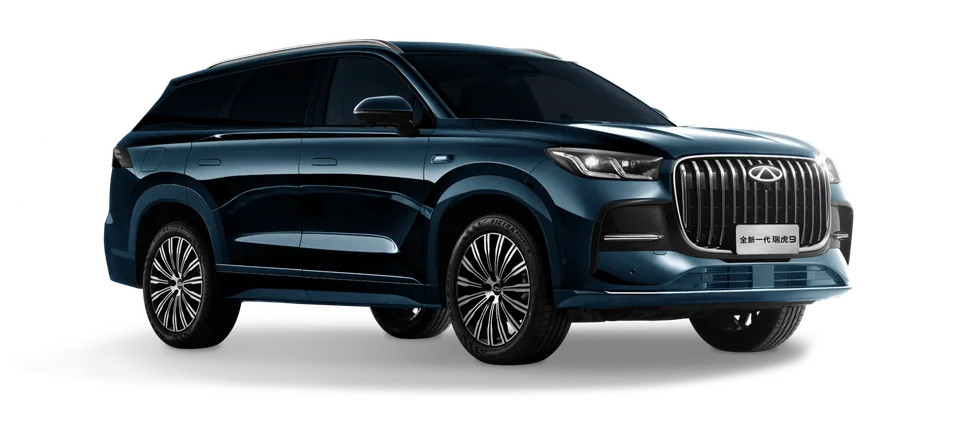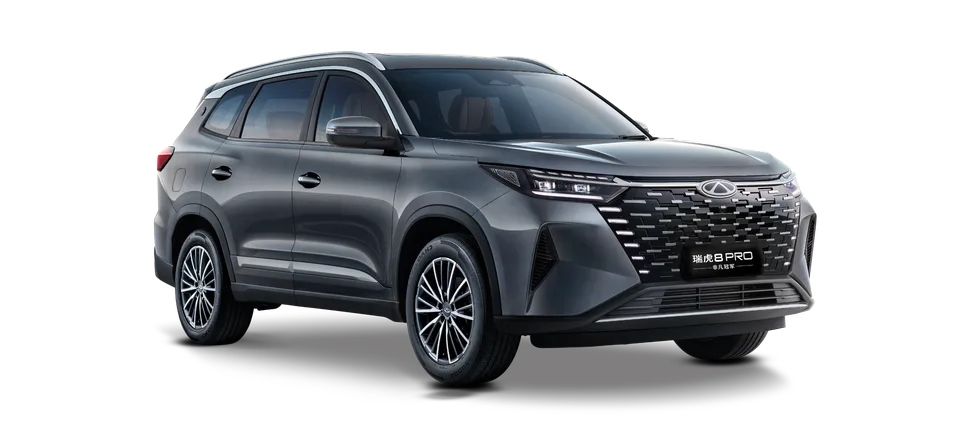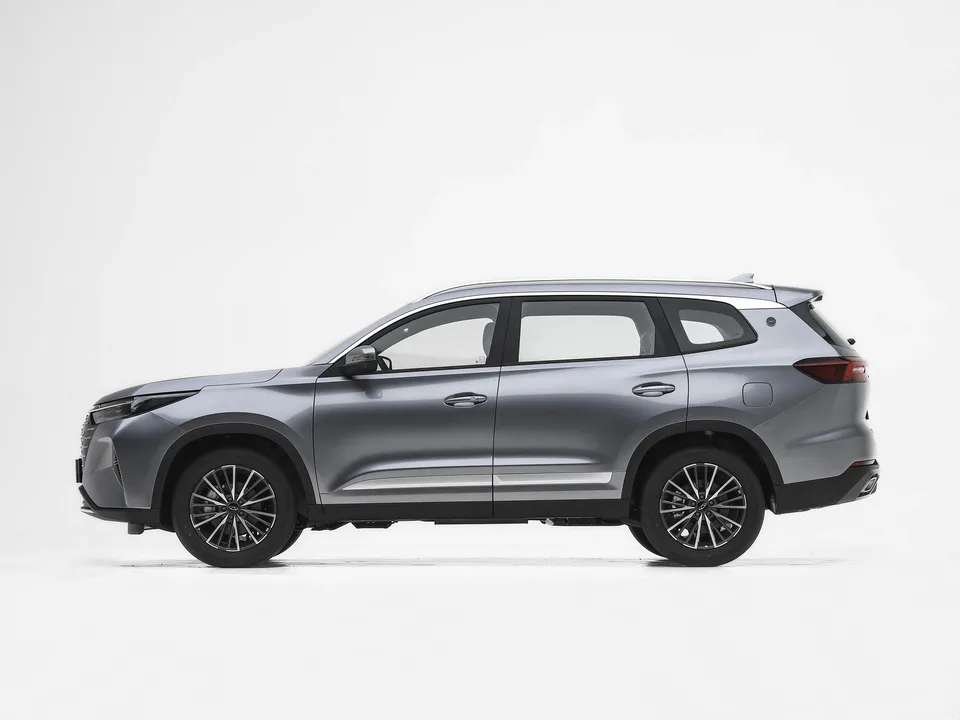
Compare the same information on both sides
Use the latest relevant configuration for each car, recording model year, trim, engine or hybrid system, drivetrain and seating. Do not place an overseas brochure for one vehicle beside a Chinese-market table for the other without identifying the differences. Keep the published units and testing standards visible, particularly where power, consumption or range is part of the decision.
Score the features against real use
Create a short list of priorities: passenger access, luggage, parking dimensions, seat comfort, climate equipment and driver assistance. Mark each as essential, preferred or optional. For a dealership, use the priorities of the intended customer segment; for personal use, base the list on your typical week. A higher specification is useful only when the proposed trim actually includes it and it fits the buyer’s needs.
Request matched quotations
Send both exact trims, quantity and destination in one enquiry. Ask for quotations using the same currency, trade scope and vehicle condition, with differences clearly itemised. Include any acceptable colour or equipment alternatives. This makes the price difference easier to understand and prevents a superficially cheaper offer from hiding a different model year, missing equipment or a narrower service scope.
Request a quote for your destination
Dealers and individual buyers can request sourcing against an agreed specification. Include the model, trim, quantity, destination and contact details. Vehicle selection, procurement and export preparation are confirmed for the particular order; the catalogue is a research resource rather than a stock list. Ask which costs, documents and services are included before approving a purchase.
Questions, answered.
Which model is the better buy?
There is no universal answer. Compare verified versions against your seating, equipment and destination requirements, then assess written quotations with an equivalent scope of supply and services.