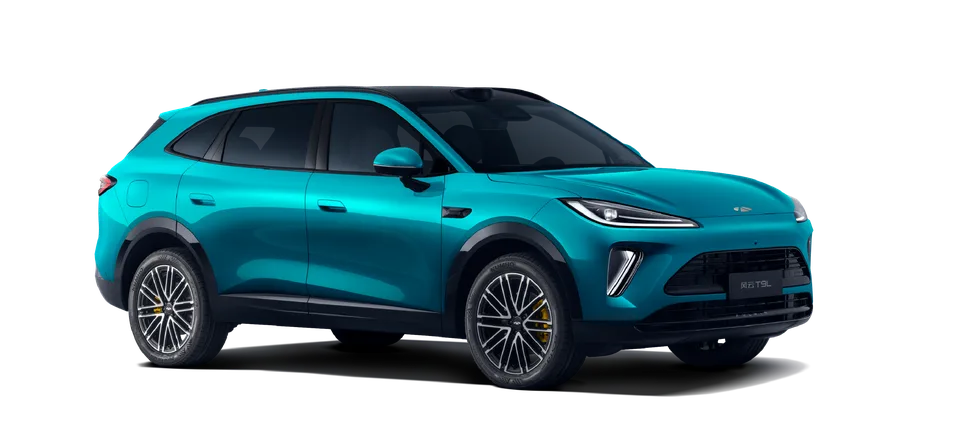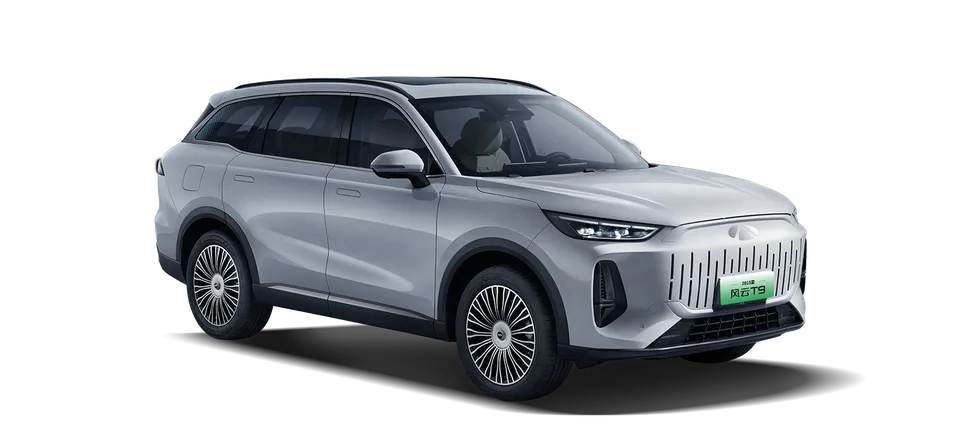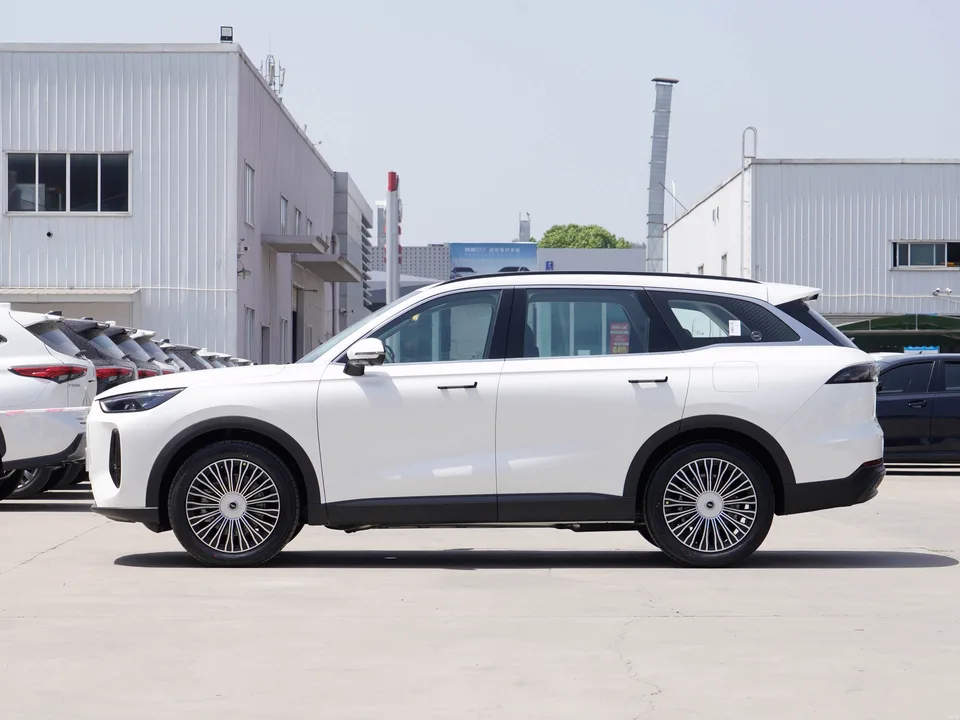
Use the exact model and powertrain description
Record the complete model name, trim, year and published powertrain description. Keep battery capacity, charging information, drive layout and test-cycle labels attached to their source version. Avoid carrying a specification from a similarly named vehicle into the comparison. If a translated trim name is unclear, retain the Chinese designation alongside it so both sides can identify the same car.
Compare comfort with daily operating needs
Make a shortlist of passenger, luggage and comfort requirements before reviewing the option tables. Then consider where the car will be parked and charged, the types of journeys it will make and the fuel or charging arrangements available. Dealers can use a shared scoring sheet for their customer segment, while individual buyers can focus on the functions that matter to their household.
Ask for two defined sourcing proposals
Give the sourcing team the same destination, order quantity and service expectations for each candidate. Request separate vehicle specifications and a comparable breakdown of included costs. Identify acceptable alternatives in colour or nonessential equipment, but keep required features clearly marked. Do not assume that a displayed model is held in stock or that one version can be substituted without your agreement.
Request a quote for your destination
Dealers and individual buyers can request sourcing against an agreed specification. Include the model, trim, quantity, destination and contact details. Vehicle selection, procurement and export preparation are confirmed for the particular order; the catalogue is a research resource rather than a stock list. Ask which costs, documents and services are included before approving a purchase.
Questions, answered.
Can I compare range figures directly?
Only when the figures describe the same measurement and test cycle for the relevant versions. Keep electric range distinct from combined range and verify the source before using it to make a purchasing decision.