Check the usable space
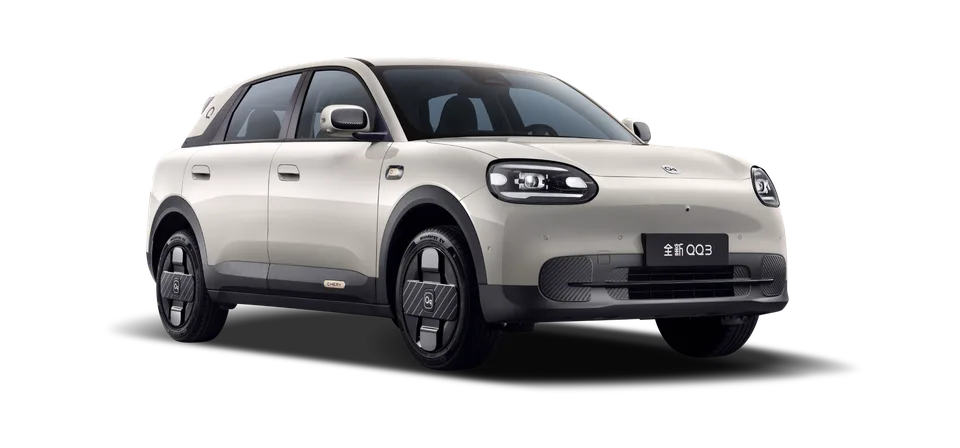
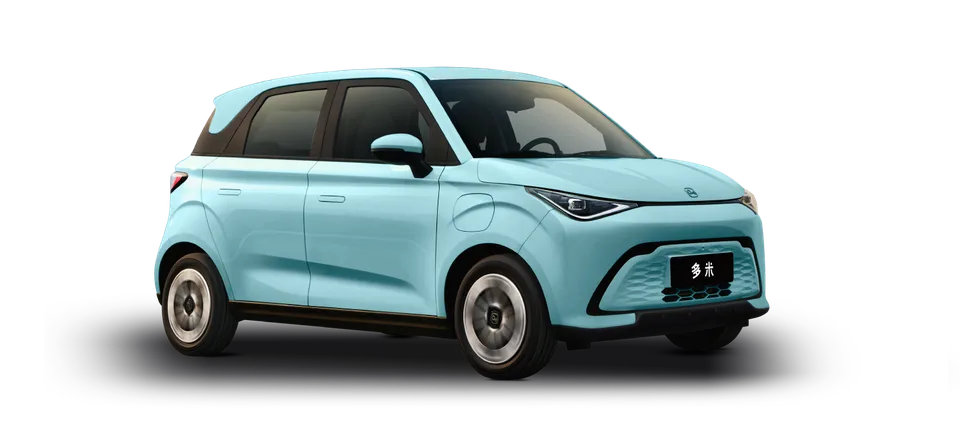
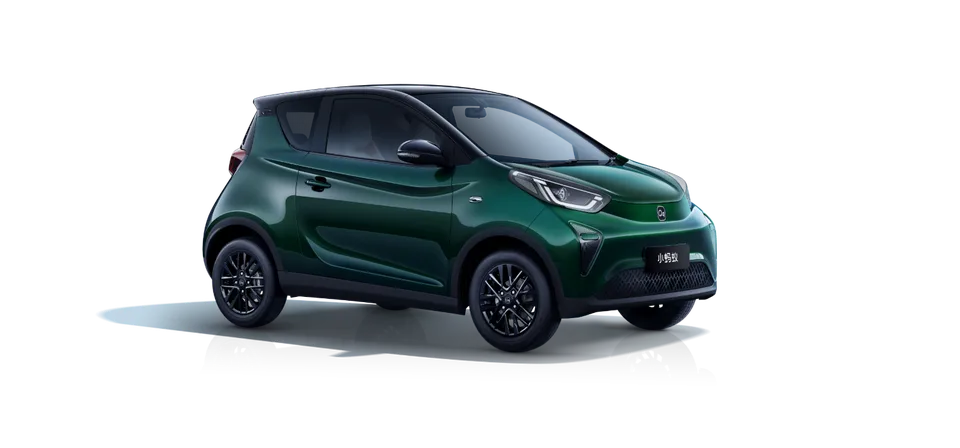
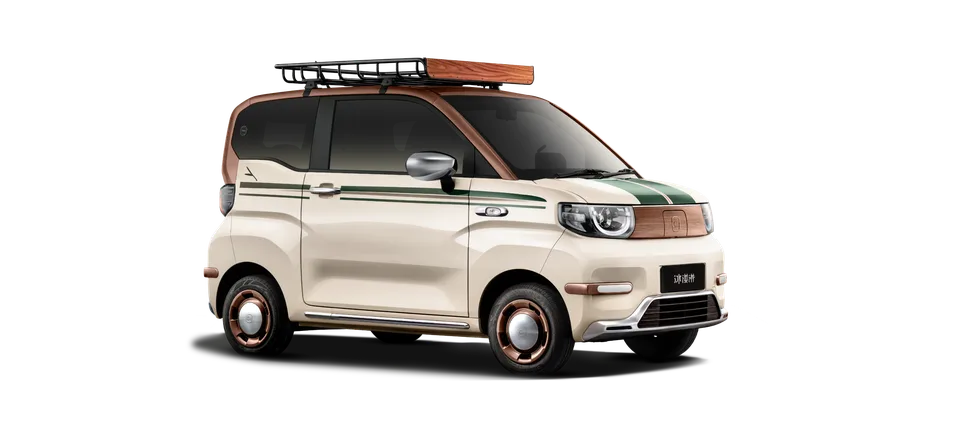
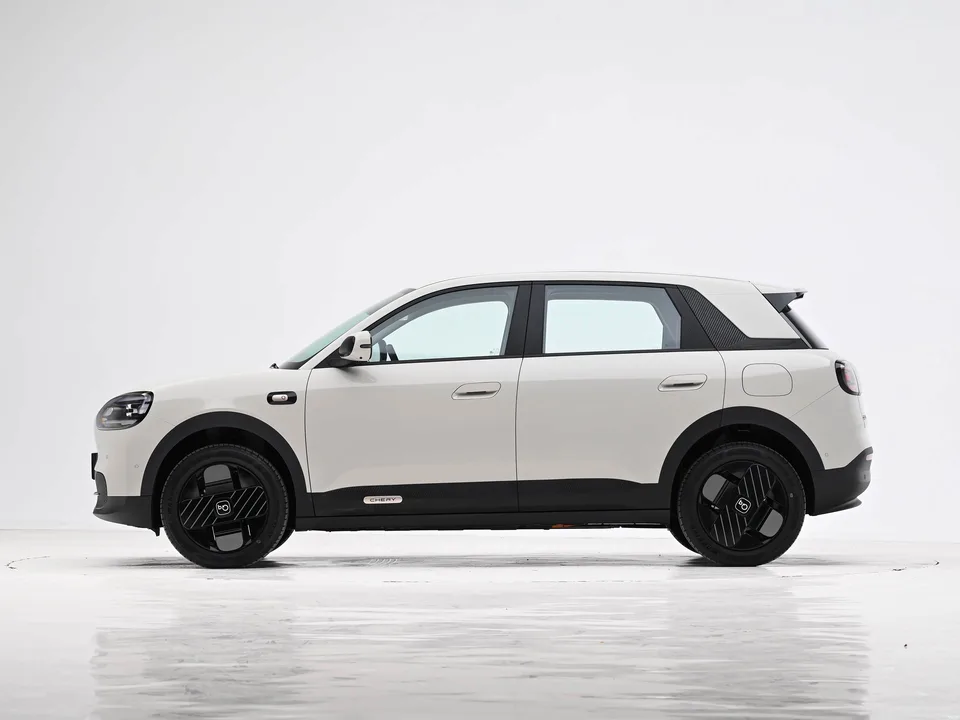
Look at door access, the number of seats and room for the items you carry regularly. Compare the published dimensions with parking spaces, access routes and your passenger needs. Images and a genuine interior panorama can help explain the layout; verify seating and equipment in the configuration table. Dealers should define the customer use case before deciding which versions to source.
Match charging and range to the routine
Confirm the battery version, published electric range and applicable testing cycle. Ask for charging connector details, supported modes and any supplied equipment rather than assuming compatibility with local chargers. Assess both your normal commute and occasional longer journeys. Consider how you would charge when your usual space is unavailable, and keep published range separate from an expectation of real-world distance.
Prepare a destination-specific enquiry
Send the exact model and trim, quantity and destination. Clarify the languages and connected functions you need, and have local registration requirements checked before committing to a purchase. For a commercial order, state whether a consistent configuration across the batch is essential. For personal use, identify the features and charging arrangements that are mandatory rather than optional.
Request a quote for your destination
Dealers and individual buyers can request sourcing against an agreed specification. Include the model, trim, quantity, destination and contact details. Vehicle selection, procurement and export preparation are confirmed for the particular order; the catalogue is a research resource rather than a stock list. Ask which costs, documents and services are included before approving a purchase.
Questions, answered.
Are all QQ-family cars the same size and specification?
No. Treat each model and trim separately. Check its dimensions, seating, battery and charging data against the relevant official source and the proposed vehicle specification.