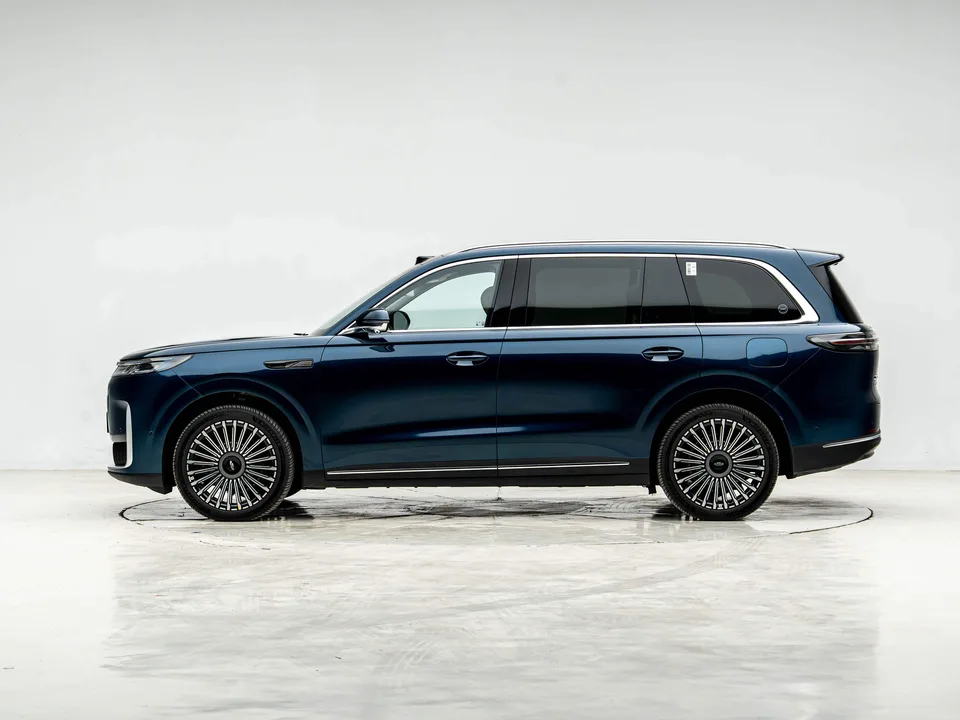
Plan for passengers and luggage together
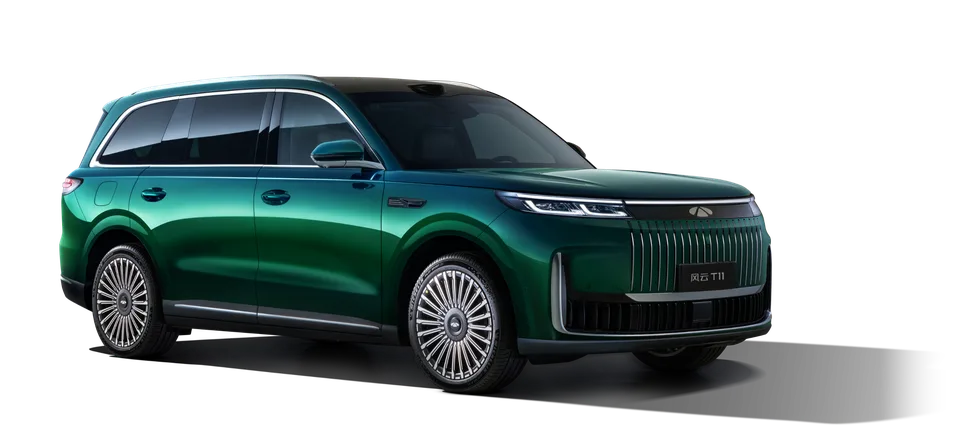
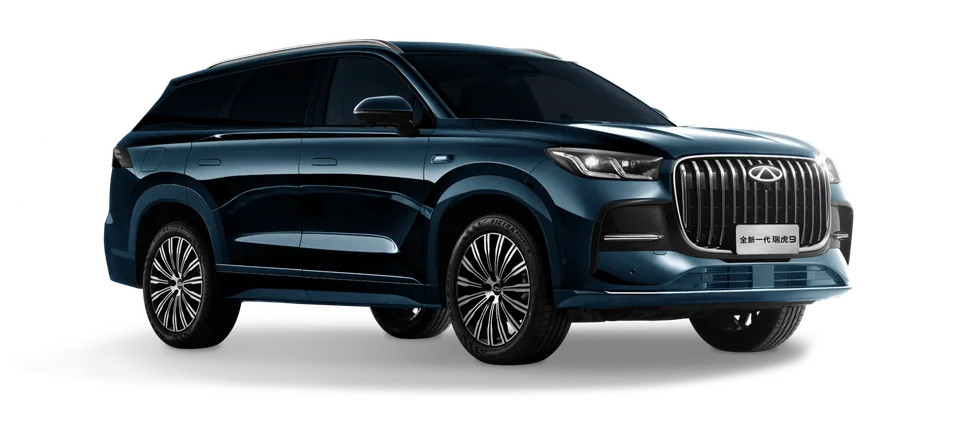
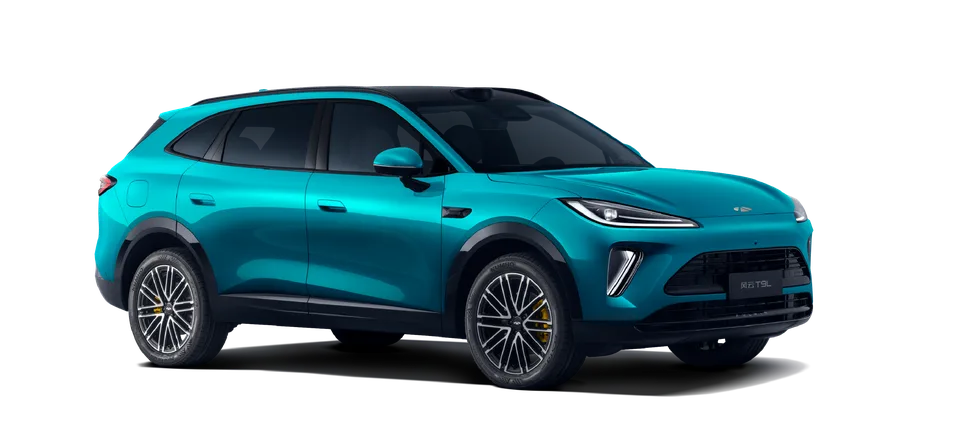
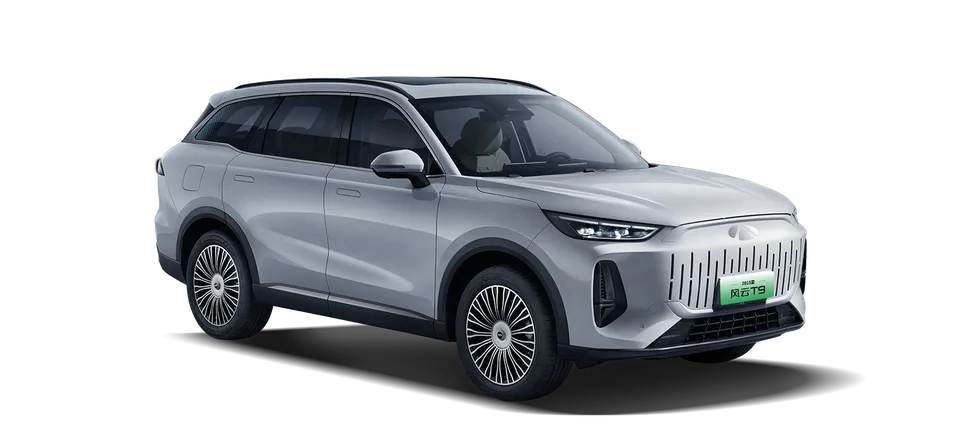
Write down your usual passenger count and the journeys when every seat will be occupied. Check access to the rear seats, room with the seats in use and space for suitcases or other regular loads. A family buyer may value convenient entry and child-seat arrangements; a dealer should identify which layouts customers actually request instead of treating more seats as automatically better.
Check the cabin equipment by version
Seat adjustment, ventilation, heating, climate zones, power outlets and entertainment equipment can vary by trim. List the features each row needs and check them against the configuration table. Interior photographs explain the atmosphere, while a genuine panoramic view helps you understand the arrangement. Neither replaces the written specification or a check of the proposed car.
Fit the SUV to its operating environment
Compare parking and access constraints with the published dimensions, and consider daily mileage, charging access and preferred powertrain. For commercial sourcing, create a repeatable checklist covering dimensions, seating and essential equipment. For private use, prioritise the features you will use every week over an extensive option list. Ask for clarification where a configuration entry or translated feature name is unclear.
Request a quote for your destination
Dealers and individual buyers can request sourcing against an agreed specification. Include the model, trim, quantity, destination and contact details. Vehicle selection, procurement and export preparation are confirmed for the particular order; the catalogue is a research resource rather than a stock list. Ask which costs, documents and services are included before approving a purchase.
Questions, answered.
Should I choose the SUV with the highest seat count?
Choose according to actual occupancy, access and luggage requirements. Compare the seating layout and equipment of the specific trim, since a large exterior does not describe every passenger’s usable space.